

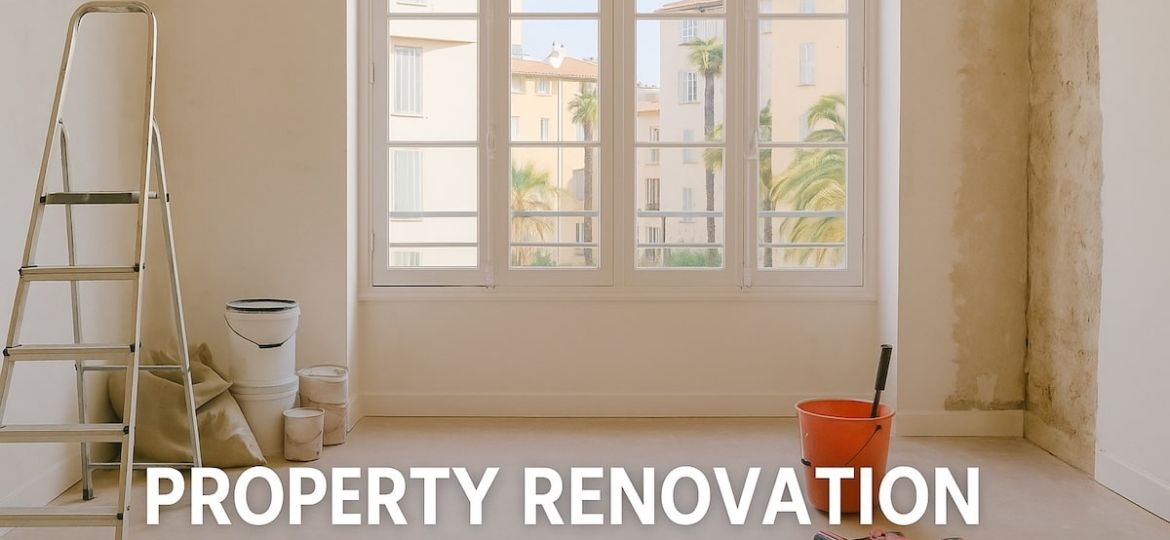
Renovation Projects on the French Riviera
Property Renovation in Nice has become a highly specialised discipline shaped by architectural heritage, Mediterranean climate conditions, and a complex regulatory environment. For homeowners, investors and construction professionals, renovating property in Nice requires a sophisticated understanding of building science, local materials, and regional standards. This extended guide provides an expert, practical, and thoroughly detailed perspective on how renovation works in Nice and this iconic part of the French Riviera.
Definition and Foundational Explanation
Property renovation on the French Riviera encompasses all activities aimed at restoring, updating or transforming existing residential and commercial buildings while preserving the region’s architectural identity. This may range from light refurbishments—such as flooring or kitchen upgrades—to full structural reconfiguration, façade restoration, energy retrofitting, or complete villa modernisation.
Because Nice blends historical and modern architecture, renovation work often requires integrating contemporary solutions into buildings that were constructed long before today’s building norms existed. The challenge is to enhance performance and comfort while maintaining visual harmony and regulatory compliance.
What Makes Renovation in Nice Unique?
Architectural diversity:
Nice’s urban landscapes include Napoleon-era houses, 19th-century palaces, Art Deco frontages, Haussmann-style apartment blocks, and hillside villas. Such diversity means no two renovation projects follow the same blueprint. The choice of materials, structural reinforcement techniques, and finishing details must respect the property’s age and original style.
Mediterranean climate considerations:
The local climate is simultaneously an advantage and a challenge. While the region enjoys mild winters, its summers are hot and humid. Salt in the air accelerates corrosion of metal components, which is especially relevant for balcony railings, shutters, window frames and façade anchors. Renovations must also address solar orientation and natural ventilation to optimise energy efficiency.
Regulations and protected zones:
Large parts of Nice fall under heritage protection or architectural guidelines. In areas like Vieux Nice, Mont Boron, Cimiez, the Port district or Promenade des Anglais, exterior modifications must be approved by the Architectes des Bâtiments de France. Even seemingly minor changes—like replacing shutters—must align with official colour palettes and materials.
Historical Background and Development
The evolution of renovation practices in Nice cannot be separated from the city’s development as a cultural and tourism hub.
In the 19th century, the arrival of wealthy European winter visitors prompted the construction of ornate villas and elegant apartment buildings. Many of today’s renovation projects involve restoring these structures to their former splendour while upgrading them to contemporary living standards.
During the 20th century, waves of modernisation introduced elevators, reinforced concrete structures, central heating and improved sanitation. Yet many buildings still contain remnants of outdated electrical wiring, corroded pipes or poorly insulated walls.
Today, property owners increasingly prioritise energy efficiency, sustainability and modern comfort. Renovation practices therefore combine traditional craftsmanship with state-of-the-art technologies such as heat pumps, high-performance glazing and smart home systems.
How Renovation Works in Practice
Property Renovation in Nice typically follows a structured workflow from feasibility to completion.
Initial Assessment and Technical Diagnosis
A comprehensive survey is essential. Professionals examine:
- Moisture infiltration and hidden humidity pockets
- Condition of beams, load-bearing walls and lintels
- Roof integrity and insulation levels
- Electrical system grounding and compliance
- Plumbing layout, water pressure and corrosion
- Condition of façades and balconies (a major safety concern in the region)
Owners should expect a detailed written report, sometimes accompanied by thermal imaging or humidity mapping.
Architectural Design and Planning
Design must reconcile modern expectations with heritage constraints.
Plans are tailored around natural light, structural limitations, circulation patterns and Riviera lifestyle preferences—such as combining indoor and outdoor living spaces or opening closed kitchens into living rooms.
Material choices are critical. For example:
- Marine-grade metals resist corrosion
- Lime-based plasters allow historical walls to “breathe”
- Porcelain tiles tolerate humidity and sun exposure better than many natural stones
Permits and Compliance
Regulatory approval depends on scope:
- Internal-only changes may not require permits
- Façade, balcony or window modifications usually require a Déclaration Préalable
- Structural changes or extensions require a Permis de Construire
- Properties in protected zones require approval from ABF
Owners of apartments must also obtain approval from the copropriété (co-ownership association), especially for works affecting common areas, plumbing shafts or façades.
Execution and Construction
Execution involves several specialised trades. Common phases include:
- Demolition and removal of outdated materials
- Structural reinforcement (steel beams, lintels, slab support)
- Plumbing and electrical redesign
- Upgraded insulation using mineral wool or advanced composites
- Installation of reversible air conditioning or heat pumps
- Flooring, painting, bathroom and kitchen installation
- External landscaping, terraces and façade cleaning or repair
Good project management ensures that trades are coordinated efficiently, with minimal downtime and compliance with noise restrictions imposed by the city.
Final Inspection and Handover
Once complete, the property undergoes conformity checks. Certifications include:
- Electrical compliance (CONSUEl)
- Energy performance (DPE)
- Plumbing pressure tests
- Waterproofing certification for bathrooms and roofs
A final walkthrough ensures all elements match the approved plans and client expectations.
Real-World Applications and Use Cases
Renovation of historic apartments:
Typical projects involve restoring mouldings, repairing parquet floors, and integrating modern kitchens and bathrooms without compromising architectural character.
Modernisation of villas:
In Mont Boron or Fabron, owners often seek to reconfigure layouts, enlarge windows to maximise sea views, install infinity pools or create outdoor kitchens and shaded terraces.
Commercial renovations:
Boutique hotels require acoustic optimisation, fire safety upgrades and modern HVAC. Restaurants often need expanded ventilation systems, water evacuation redesigns, and interior reconfiguration.
Energy retrofitting:
Older properties frequently undergo upgrades such as external insulation, solar integration, double-glazing and efficient heating systems to meet modern standards.
Benefits and Advantages
Increased Asset Value
Renovated properties in Nice often enjoy significant value increases, particularly in prime locations. International buyers frequently prefer turnkey homes, creating strong demand for well-renovated apartments and villas.
Enhanced Efficiency and Lower Energy Costs
Energy-efficient upgrades reduce monthly expenses and improve comfort throughout the year. In older stone buildings, proper insulation can transform indoor temperature stability.
Reduced Long-Term Maintenance
Because humidity and salt air can accelerate degradation, using high-quality materials dramatically reduces ongoing repair needs. Stainless steel, marine-grade aluminium and high-density mineral coatings offer long-term durability.
Lifestyle and Comfort Improvements
Renovation makes it possible to create open-concept layouts, luxurious bathrooms, high-performance kitchens, improved acoustics and seamless indoor-outdoor transitions. These features strongly appeal to both residents and short-term guests.
Challenges, Risks and Limitations
Legal and Architectural Restrictions
Owners are often surprised by how stringent rules can be in protected zones. For example, replacing wooden shutters with aluminium may be prohibited unless specifically authorised.
Hidden Structural or Moisture Problems
Many buildings in Nice contain outdated plumbing made of steel or lead, electrical circuits that no longer meet standards, or moisture infiltration behind façades. These issues must be addressed early to prevent cost overruns.
Contractor Availability and Seasonal Timing
The Riviera experiences high construction demand year-round. Skilled tradespeople book out months in advance, especially between April and September. Planning early is essential.
Environmental Exposure
Terraces, façades and balconies face strong sun, humidity, salt and wind. Without adequate treatment, materials may degrade quickly. Renovation must include anti-corrosion coatings, waterproof membranes and UV-resistant finishes.
Market Relevance and Industry Impact
The renovation sector plays a central role in Nice’s real estate market because new development is limited by geography and regulation. Much of the city’s value creation now comes from upgrading existing stock.
Short-term rental demand pushes owners to optimise space, improve acoustics and create modern bathrooms. The luxury market, serving clients from northern Europe, the Middle East and North America, increasingly expects full-service renovation quality, smart home integration, and resort-style outdoor areas.
Municipal programs that encourage façade restoration and energy efficiency also stimulate continuous investment in renovation.
Future Trends and Outlook
Sustainability and Renewable Integration
Heat pumps, solar panels and green roofs are becoming more common. Regulations continue to favour low-energy buildings, pushing owners to modernise older homes.
Smart Home Technology
Renovations increasingly include automated lighting, climate control, motorised shutters and integrated security systems.
Predictive Maintenance
Sensors embedded in walls and plumbing systems can detect humidity changes or leaks early, reducing repair costs.
High-Quality Outdoor Living Design
As outdoor living becomes central to Riviera lifestyle, terraces, loggias and gardens receive more architectural attention, often featuring pergolas, outdoor kitchens and custom lighting.
Practical Tips and Best Practices
Work With Local Experts
Local architects and contractors understand regional materials, microclimates and regulatory specifics better than generalist firms.
Get Detailed Diagnostics
Thermal imaging, humidity mapping, structural assessment and electrical testing reveal issues before work begins.
Plan a Realistic Budget
Contingency of 10–20% is standard for older buildings due to unexpected findings.
Prioritise Insulation and Climate Control
Good insulation, double-glazing and efficient cooling/heating systems should be installed before cosmetic work.
Schedule Wisely
Autumn and winter often offer better contractor availability and faster turnaround.
Use Climate-Appropriate Materials
UV-resistant finishes, anti-corrosion metals, mineral plasters and Mediterranean-compatible wood species extend longevity.
Renovating Property in Nice as a Long-Term Investment
Property renovation in Nice is far more than a simple improvement project—it is an investment in longevity, comfort and architectural heritage on one of Europe’s most iconic coastlines. Whether the goal is to modernise an apartment, restore a historic façade or transform a villa into a contemporary home, successful renovation requires a thorough understanding of local regulations, building techniques, climate considerations and market expectations.
By combining careful planning with skilled professionals and climate-appropriate materials, owners can significantly enhance the value, performance and aesthetic quality of their property. As the city continues to evolve, renovation remains central to preserving its unique character while adapting buildings to modern standards of sustainability, energy efficiency and comfort. For homeowners, investors and industry professionals alike, renovating in Nice offers both immediate benefits and long-term rewards—making it one of the most impactful ways to contribute to the region’s architectural future.